
What a Bagel Shop Taught Me About Online Reputation Management
I Went Looking for a Bagel. I Left With a Teachable Marketing Lesson About Online Reputation Management.
A simple search for breakfast became a reminder that your online reputation often shapes a customer's experience before they ever walk through your door.
I recently found myself back in my hometown for a visit, and one of the first things on my list was finding a really good bagel. As someone who works in online reputation management and digital marketing, I wasn't expecting breakfast to turn into a reminder of just how much a business's online reputation influences customer decisions.
If you've ever lived in a place with great bagel shops and then moved somewhere that doesn't, you know exactly what I mean. Where I live now, bagels are few and far between, and even when I do find one, they're usually not quite right. So I opened Google and started searching.
Like most people these days, I didn't stop with the map results. I clicked through several of the websites Google surfaced, looking for local recommendations. One local website consistently pointed people to the same bagel shop, so I decided to give it a try. It was close to where I was staying, and since I still remembered my way around town, it was an easy choice.
Before I even walked through the door, something caught my attention. Taped to the front door was a sign announcing, "It's back!" The "it" was their crab cream cheese on an Old Bay bagel. Then I stepped inside and couldn't help but smile. Standing near the entrance was a life-size cutout of George Washington pointing toward a hand-drawn sign with a crab, proudly announcing that the specialty bagel had returned.
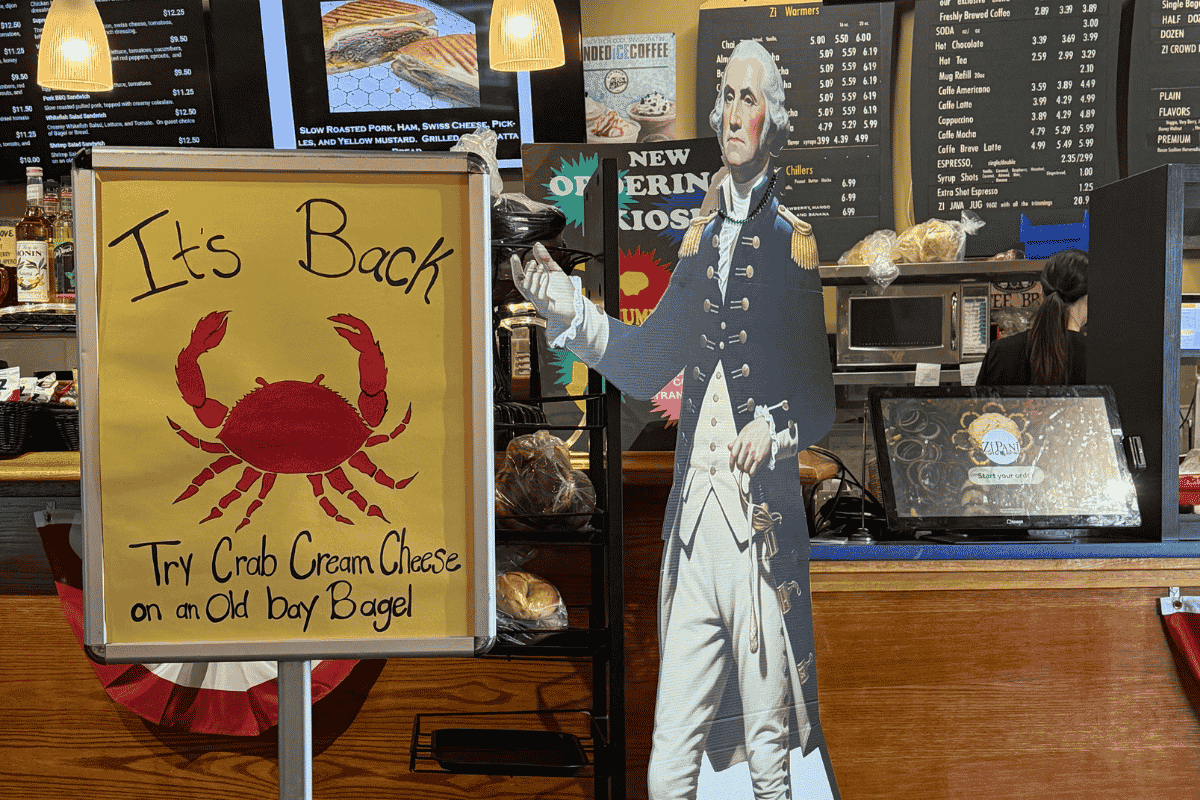
I had to laugh. It was quirky, a little unexpected, and unmistakably Maryland.
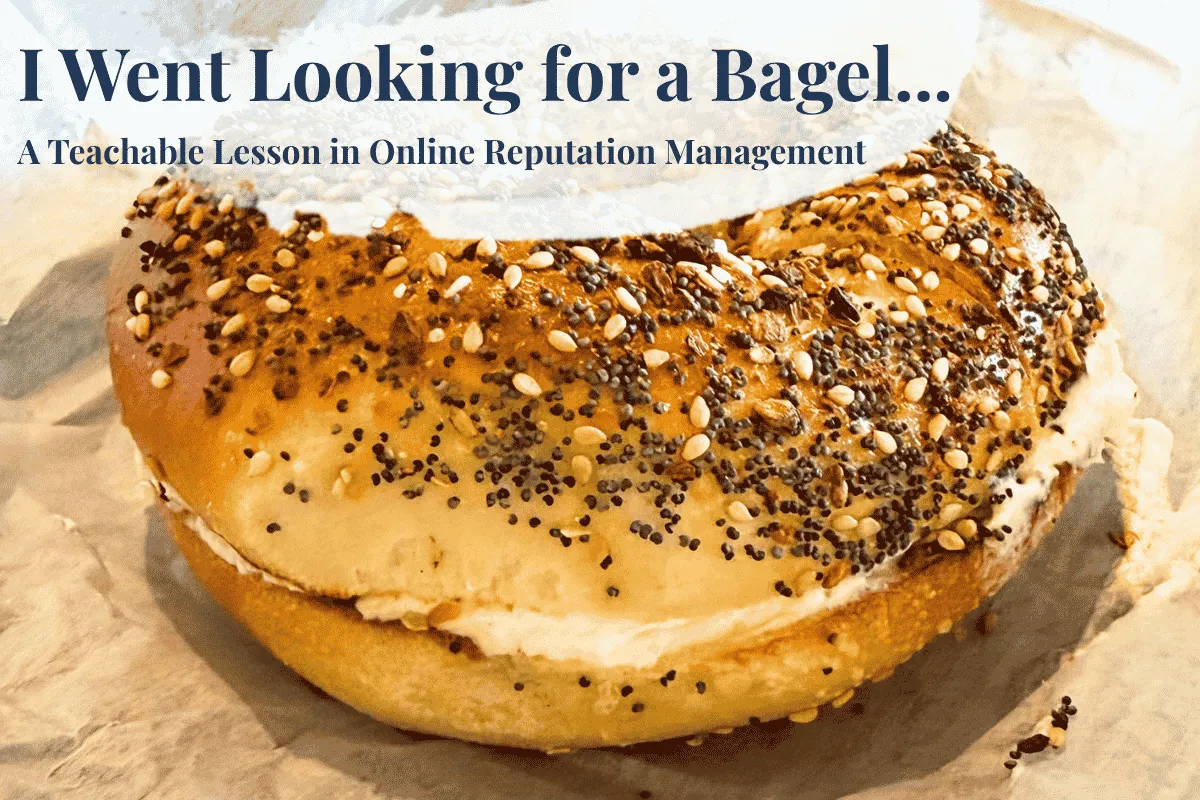
As tempting as it sounded, nine o'clock in the morning felt a little early for crab, so I ordered an everything bagel with plain cream cheese, a sesame bagel with plain cream cheese, and a coffee instead. But before I even sat down, I'd already decided I was coming back before my trip was over to try that bagel.
From the moment I walked in, the experience was pleasant. The employee at the counter greeted me with a smile, took my order, and kindly explained how the self-serve coffee station worked after handing me an empty cup. It was a small interaction, but those little moments often shape a customer's first impression more than businesses realize.
My breakfast arrived quickly, everything was fresh, and I genuinely enjoyed the meal. There wasn't anything about the experience that gave me reason to complain.
The Customer Experience Doesn't End at the Front Door
Like many people do these days, I pulled out my phone while I was eating. Maybe it was curiosity, or maybe it was simply what I do for a living, but I opened the business's Google Business Profile to see what other customers had experienced.
That's when I noticed something interesting.
The reviews painted a somewhat different picture than the experience I was having. Several customers mentioned delays with online orders and long wait times. On their own, those reviews could have been isolated complaints. Every business has busy days, and anyone who has worked with the public knows that mistakes happen.
As I was reading those reviews, another customer walked in to pick up an online order. He waited quietly for several minutes before finally approaching the counter to ask about it. Apparently, his order wasn't ready yet.
Whether that was an isolated incident or something that happens more often, I don't know. But it immediately caught my attention because it mirrored what I'd just been reading. This is exactly why online reputation management matters. Customers don't separate online reviews from the in-person experience. They combine them into one overall impression of your business.
As I continued reading, another pattern stood out. I couldn't find a single Google review that had received a response from the business.
Now, it's entirely possible they've responded before and I simply didn't scroll back far enough. I'm only sharing what I observed during my visit. But from what I saw, customers were taking the time to leave feedback, and no one appeared to be joining the conversation.
Many business owners think responding to reviews is about the person who wrote them. In reality, it's often about everyone who comes after. Every potential customer reading those reviews is also paying attention to whether the business responds, how they handle praise, and how they address concerns. Silence sends a message just as much as a thoughtful response does.
A Hidden Survey and a Missed Opportunity
Then, just as I was leaving, I noticed something that made me stop.
Near the trash station, tucked between a seating area and the place where customers cleared their tables, was a customer feedback station. There were printed survey cards, a small ballot box, and a sign explaining that customer feedback helps the entire team and encouraging guests to share their thoughts.
I genuinely liked the idea. Businesses should absolutely ask customers for feedback. Private surveys can uncover valuable insights that people might never share publicly, and those comments can help improve training, operations, and the overall customer experience.
But standing there, I couldn't help noticing the contrast.
The business had created a system for collecting private customer feedback that relatively few customers would probably notice. At the same time, its Google Business Profile, one of the most visible parts of its online reputation, was displaying customer reviews for anyone considering a visit.

The Real Marketing Lesson
That moment reminded me of something I talk to clients about all the time.
One of the biggest mistakes I see businesses make with online reputation management is thinking their Google Business Profile is simply a place to list their hours and phone number. In reality, it's one of the most powerful trust-building tools a local business has.
They read your reviews.
They look at your photos.
They browse your recent updates.
And whether businesses realize it or not, potential new customers notice whether you're engaged with previous customers.
The businesses that stand out aren't always the ones with perfect five-star ratings. They're the ones that show they're listening. A simple "Thank you for your kind words," or "We're sorry your experience didn't meet your expectations," tells future customers that someone cares.
Ironically, I left with a very positive impression of the bagel shop. I'll gladly go back, and I still plan to try that crab cream cheese on an Old Bay bagel before I head home.
This is why online reputation management has become such an important part of local marketing. Your online reputation isn't defined only by the reviews people leave. It's also shaped by how you respond, how engaged you are with your customers, and the confidence you create for people who are researching your business for the first time.
This bagel shop reminded me that even businesses providing a great customer experience can miss opportunities online. If you're wondering what your online reputation says about your business, or whether your Google Business Profile is helping or hurting customer trust, I'd be happy to take a look. Book a consultation. Sometimes a few small changes can make a big difference.