
What is SEO for small businesses?
What is SEO and How Does It Help My Small Business Get Found Online?
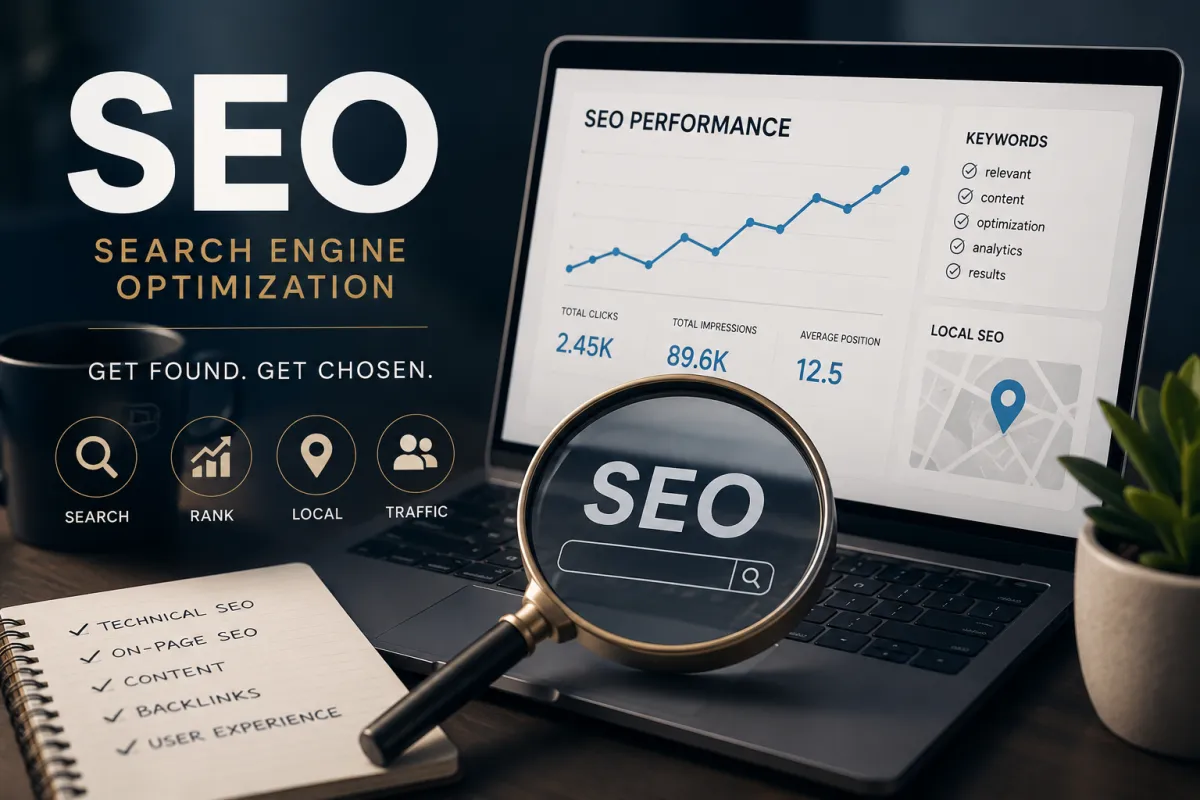
SEO (Search Engine Optimization) is basically the process of making your website rank higher in Google so customers can actually find you when they search for what you do. For small businesses, good SEO means people in your area discover you without you having to pay for every single click — you get calls, appointments, sales, the real stuff that matters.
Here's the thing: SEO isn't magic, and it won't happen overnight. But it's one of the few marketing bets that actually gets better over time. A solid website keeps working for you 24/7, pulling in customers while you're doing literally anything else.
Let me break down what SEO actually is, how it works, and why it matters for your business.
How Search Engines Decide Who Gets the Top Spots
Google's entire job comes down to one thing: show people the best answer to what they're searching for.
Someone types "plumber near me" or "best Italian restaurant in Austin," and Google sifts through millions of pages in a fraction of a second. It looks at hundreds of signals to figure out which websites deserve the top real estate.
SEO is the work of making sure your website hits the signals Google cares about.
Here's what Google is actually looking for:
Relevance. Is it obvious what you do and where you operate? If you're a dentist in Charlotte, your site should spell that out — not just once, but naturally throughout your pages.
Authority. Does Google trust you? Sites with solid reputations, customer reviews, quality backlinks, and helpful information rank higher. It's basically social proof, but for search engines.
User experience. Does your site load fast? Can people navigate it on their phone without wanting to throw it? Does it actually answer their question or make them hunt around? Google tracks how visitors behave on your site, and slow, confusing sites get buried.
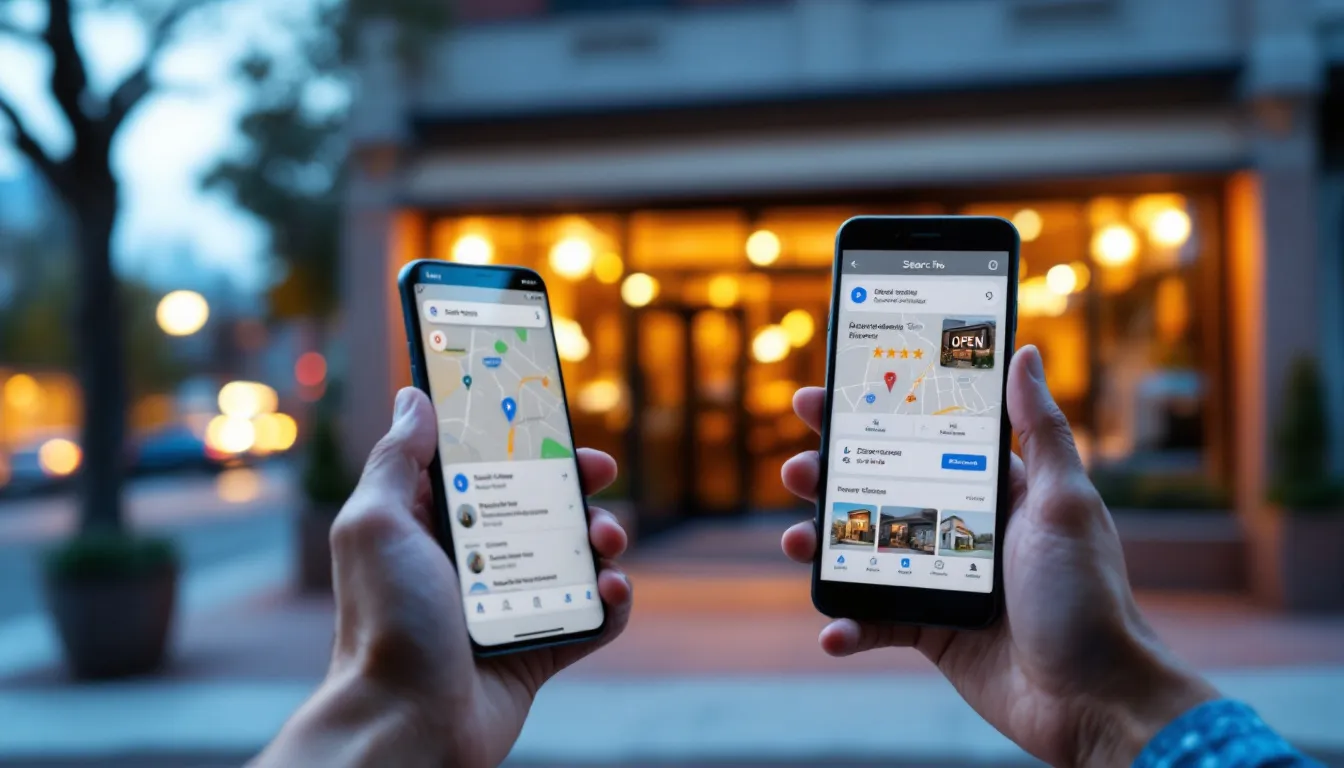
Local signals. If you're a service business, location is everything. Google looks at your Google Business Profile, your address on the site, whether you're listed in local directories, and what your customer reviews say to figure out if you matter to someone searching in your area.
The sites that rank first aren't always run by the biggest companies. They're run by businesses that Google thinks will actually give people what they need.
What SEO Actually Looks Like in Practice
Let me make this less abstract. SEO isn't some secret ninja art. It's a bunch of practical, doable things.
On-Page SEO: Making Your Website Say What It Does
This is about the actual content on your site. Each page should make it crystal clear to both visitors and Google what it's about.
Good on-page SEO includes:
Clear titles and descriptions. Instead of "Home," try "Charlotte Family Dentist | Friendly Dental Care Since 2010." Specific wins.
Content that actually answers questions. Write about the stuff your customers are wondering about. A roofer might write "How much does roof replacement cost in Denver?" Be real. Include numbers, timelines, trade-offs.
Pages for each service and location. If you work in multiple cities, give each one its own page. Don't just dump them in your footer.
Links between related pages. Help visitors (and Google) hop from one relevant page to another.
Technical SEO: The Boring But Important Stuff
This is the behind-the-scenes work that keeps your site fast, easy for Google to read, and usable on phones.
What matters:
Mobile-first design. Over 60% of searches happen on phones. Your site needs to load quick and actually work on a small screen.
Site speed. If it takes 5 seconds to load, half your visitors bounce. Google is paying attention.
XML sitemap and structured data. These tell Google how your site is organized. Most modern site builders handle this automatically.
HTTPS (the secure version). Google prefers secure sites. If your URL starts with "http" instead of "https," that's a fix you need to make.
Local SEO: Getting Found in Your Neighborhood
If your business serves a specific area, this is where you make your money.
Here's what counts:
Google Business Profile. Claim it. Fill in every single section. Add photos. Post updates regularly. Reply to reviews, good and bad. This is your free Google storefront.
Consistent NAP everywhere. Your Name, Address, and Phone number need to match exactly on your website, Google, Yelp, business directories — everywhere. Mismatches confuse Google.
Reviews from real customers. Google ranks businesses with more (and better) reviews higher. Ask happy customers to leave one. Then actually respond to them.
Write about your area. Something like "Best neighborhoods for kitchen renovations in Portland" beats generic advice every time.
Off-Page SEO: Your Reputation Outside Your Site
This is about what other websites say about you. Google looks at how the broader internet talks about your business.
Backlinks are the main thing here. When another reputable site links to yours, it's a thumbs-up vote. A link from your local Chamber of Commerce or a news story mentioning your business carries real weight.
You can't trick this. Google isn't dumb. Build links by being genuinely helpful, getting featured in local media, partnering with other businesses, and creating stuff people actually want to share.
Why SEO Beats Paid Ads If You're Playing the Long Game
Paid ads work fast. Google Ads, Facebook Ads — you throw money at it, you appear in results, you get clicks.
Stop paying, and the traffic evaporates immediately.
SEO is different. It's an actual asset. Once you rank for something, you can hold that position for months or years with barely any upkeep. Every visitor from organic search doesn't cost you a dime.
Real example: An HVAC company in Dallas went all-in on SEO early 2024. They fixed up their site, built proper service pages, nailed local SEO. By mid-2025, they're ranking on page one for "AC repair Dallas" and "HVAC installation near me." Now they get 40-60 organic leads every month. Not a penny spent on ads.
They'd been dropping $50-$80 per click on Google Ads in that same market. SEO took longer to kick in, but now it's their best-performing channel.
That's the compounding effect at work. Start early, wait it out, and the payoff keeps growing.
How Long Before You Actually See Results?
Real talk: SEO takes patience.
If you're starting from scratch or your site's never been optimized, expect to see some movement in 3-4 months. Actual results — page one rankings, real traffic flowing in — usually takes 6-12 months.
But you can speed things up:
Start with a solid foundation. A fast, mobile-friendly site with clear writing ranks faster.
Target local and long-tail keywords first. "Best pizza in Brooklyn" is easier to rank for than "best pizza." Hunt for specific, lower-competition stuff initially.
Write helpful content on a schedule. Google rewards sites that regularly publish useful information.
Get your Google Business Profile dialed in early. Local rankings can move faster than organic rankings if you nail your profile and collect reviews.
The work you put in today pays dividends for years. That's rare in marketing.
What to Actually Do First
If you're just starting out, nail these five things before anything else:
Claim your Google Business Profile and optimize it. Fill every field. Add photos. Post weekly. Ask for reviews.
Make sure your website loads fast and works on mobile. Pull it up on your phone right now. If it's clunky, fix it immediately.
Build proper service pages. One page per main service. Explain what you do, price ranges (if you can), and who it's for.
Answer the questions you hear all the time. Start a blog or FAQ. Write about stuff people actually ask you.
Get your name, address, phone consistent everywhere. Check your website, Google, Yelp, directories. Everything should match.
Don't try to do it all at once. Start here. Build from there.
Common Questions About SEO for Small Businesses
Can I do this myself, or do I need to hire someone?
You can handle the basics: optimize your Google Business Profile, clean up your website copy, write blog posts, make sure it works on phones. But keyword research, technical SEO, and building backlinks get complicated fast. If you want real results without burning months figuring it out, getting someone who knows what they're doing pays for itself quickly.
What's the actual cost?
If you DIY it, your only cost is time. Hire an agency or freelancer and you're looking at $500-$2,500/month depending on your market and how much competition there is. One-off audits and site optimization projects run $1,000-$3,000. For local businesses the math is simple: rank for a few key terms and you're getting dozens of leads every month. That ROI adds up fast.
How is SEO different from Google Ads?
Google Ads puts you at the top instantly, but you pay every click. SEO gets you ranking in the organic results (below the ads), takes longer, but costs nothing per click. Ads are for right now. SEO builds long-term value. Smart businesses do both, depending on timing.
Ready to Get Found?
SEO isn't mysterious. It's a process. You improve your site. You write stuff that helps people. You build your local presence. Google notices. Customers find you.
The businesses that actually win aren't the ones with the deepest pockets. They're the ones who show up consistently, answer questions honestly, and make choosing them easy.
If you're tired of hoping customers stumble onto you and ready to actually make sure they do, it's time to get serious about SEO. Start with the basics. Build momentum. The work you do now will keep paying off for years.
Want to know where your website actually stands and what to fix first?
Get a free Digital Audit Report from Dreamer Consulting. We’ll analyze your website, Google visibility, SEO performance, listings, reputation signals, and overall online setup to help you understand what’s helping your business grow and what could be holding it back.
No confusing jargon. Just practical insights and clear opportunities to improve your visibility online.
Your customers are already searching. Let’s make sure they can actually find you.